The base rate has gone down, so my mortgage gets cheaper! Right?
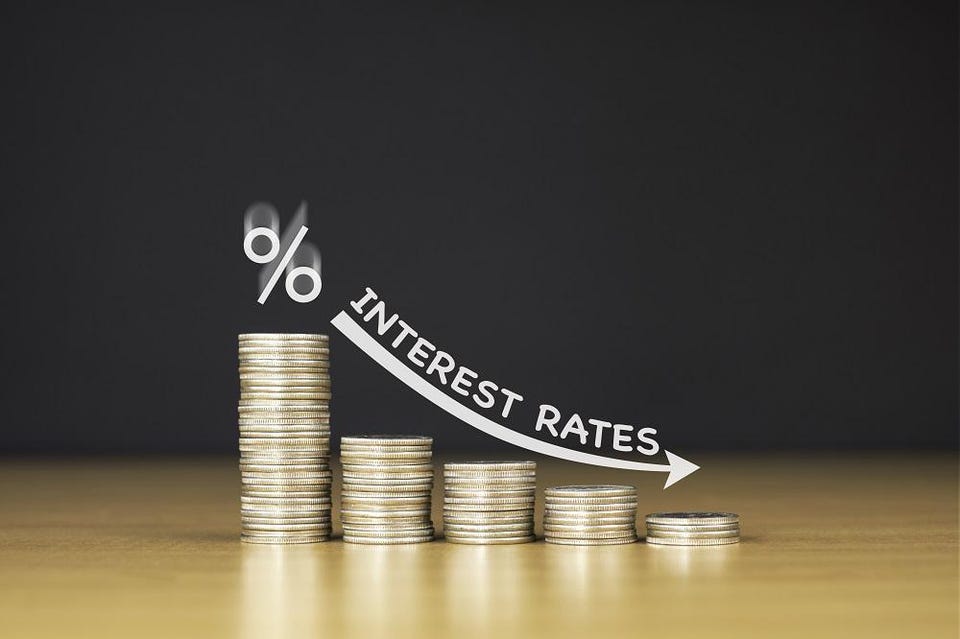
The Bank of England’s decision to lower the base rate is a positive signal, but mortgage holders shouldn’t automatically expect a corresponding drop in their fixed-rate quotes. The relationship is more complex.
The primary lever for mortgage lenders is their funding cost, most significantly determined by Sterling SWAP rates. These rates represent the market’s expectations for future interest rates and are the bedrock upon which fixed-term mortgage products are built. As such, brokers and analysts monitor SWAP rates more closely than the base rate itself to gauge market direction.
There’s a further twist: because SWAP rates are inherently forward-looking, they often adjust in anticipation of the Monetary Policy Committee’s moves. The market’s predictions make the MPC’s votes relatively transparent, allowing savvy lenders to adjust their product pricing weeks or even months in advance of an official announcement.
This creates a market where fixed mortgage rates can fall before a base rate cut and may not fall significantly after one if the move was already “priced in.”
Who does benefit immediately? Borrowers on tracker-rate mortgages. Their payments are directly contractually linked to the base rate, so they will see an instant change. For the wider market, however, the impact is more subtle and mediated through these longer-term financial instruments.